
Topiary Through Time
A brief look at the history of topiary art from the Egyptians to Present Day

From its origins in ancient Egypt to the opulent gardens of Renaissance Europe, topiary has woven a rich tapestry throughout horticultural history.
This article briefly outlines the evolution of topiary, tracing its roots, exploring its pinnacle in ancient Rome, and examining its enduring legacy in contemporary landscapes.
Ancient Egypt: A Prelude to Precision
Our journey begins in ancient Egypt, where early attempts at horticultural artistry laid the groundwork for what would evolve into topiary. Though not yet resembling the refined shapes of contemporary topiary, the Egyptians exhibited a proclivity for meticulously pruned trees and shrubs, establishing an early precedent for the art form.
Ancient Greece: Aesthetic Principles
Advancing to ancient Greece, renowned for its appreciation of beauty and symmetry, gardens became repositories of botanical expression. While not fully developed into topiary, the Greeks showcased an early appreciation for the aesthetic manipulation of plants, setting the stage for later, more intricate forms.
Rome: The Zenith of Artistic Horticulture
The Roman Empire stands as a pivotal era for topiary, reaching new heights of sophistication and artistry. Affluent Romans adorned their estates with meticulously shaped shrubs and trees, employing skilled gardeners referred to as "topiarii." These artisans sculpted living greenery into geometric designs, mythological figures, and symbols of social standing, transforming topiary into an emblem of wealth and artistic prowess.
Symbolism and Monastic Gardens
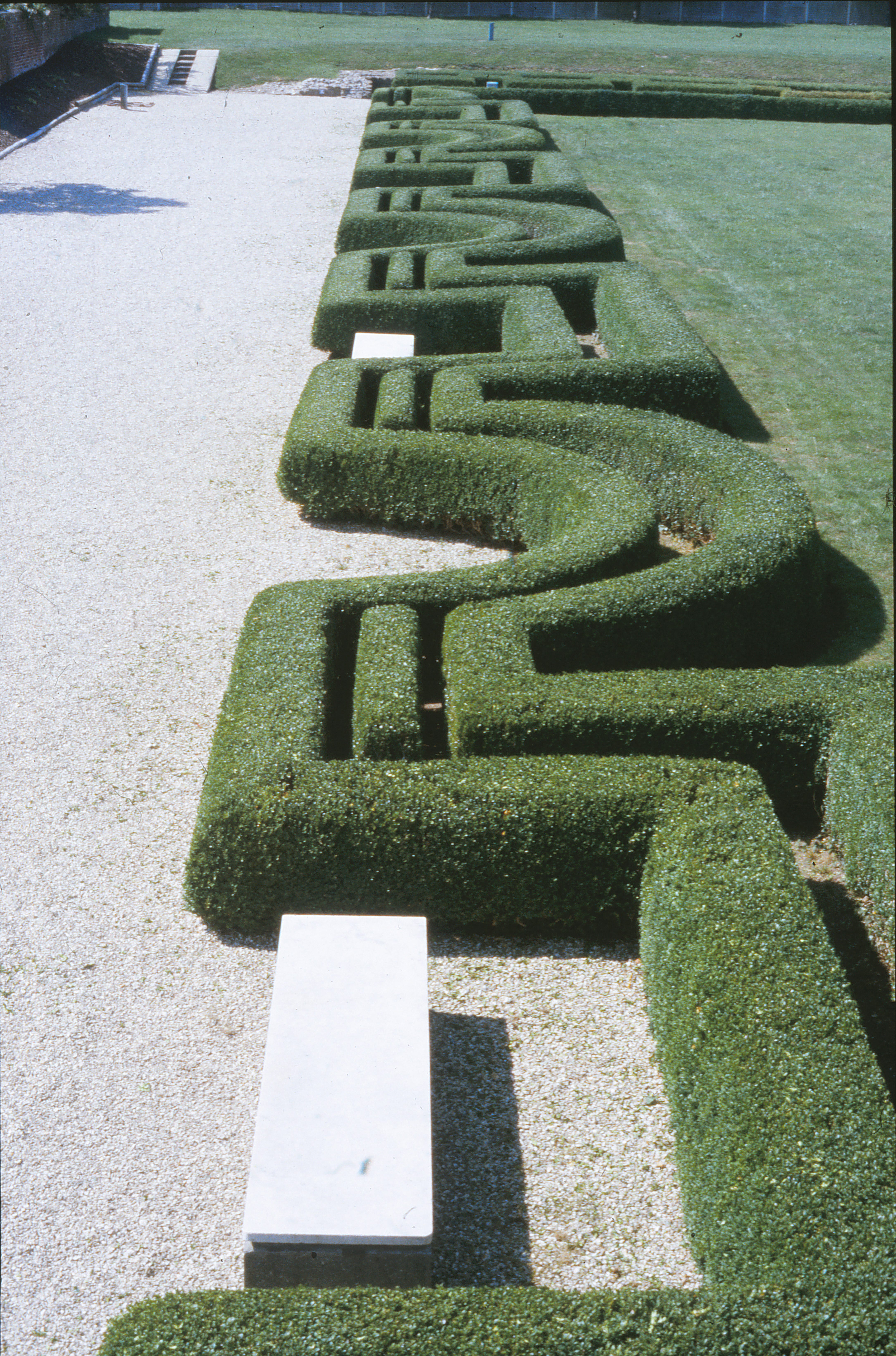
The decline of Rome gave rise to new expressions of topiary in medieval Europe, particularly within monastic gardens. Plants were meticulously shaped for symbolic and religious purposes, creating living sculptures that bridged the earthly and the divine. The gardens became sanctuaries of contemplation, blending spiritual symbolism with aesthetic expression.
Renaissance Revival
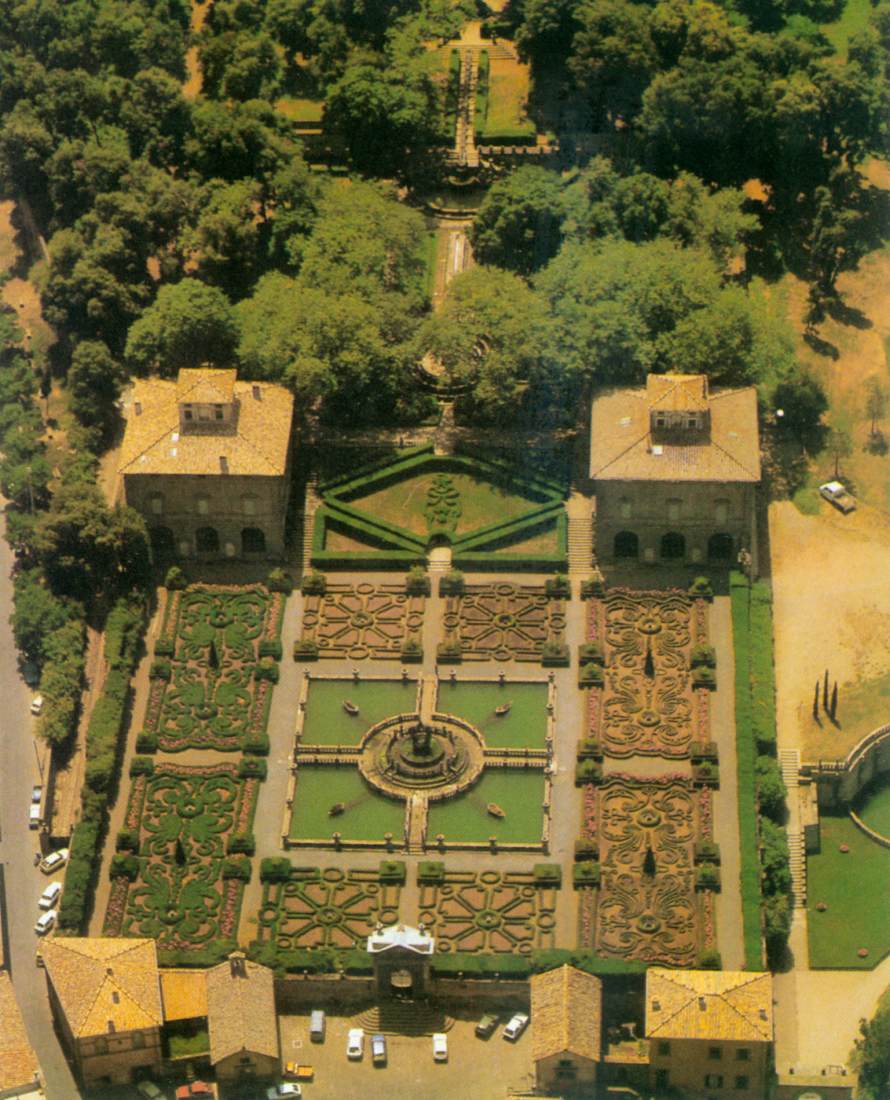
The Renaissance witnessed a resurgence of interest in classical art, and Italian gardens became epicenters of topiary innovation. Elaborate designs at Villa d'Este and Villa Lante showcased geometric precision and classical influences, extending the artistic legacy of topiary across Europe. The era marked a pinnacle of creativity, with topiary becoming integral to the grandeur of estates and royal gardens.
Baroque and Rococo Extravagance
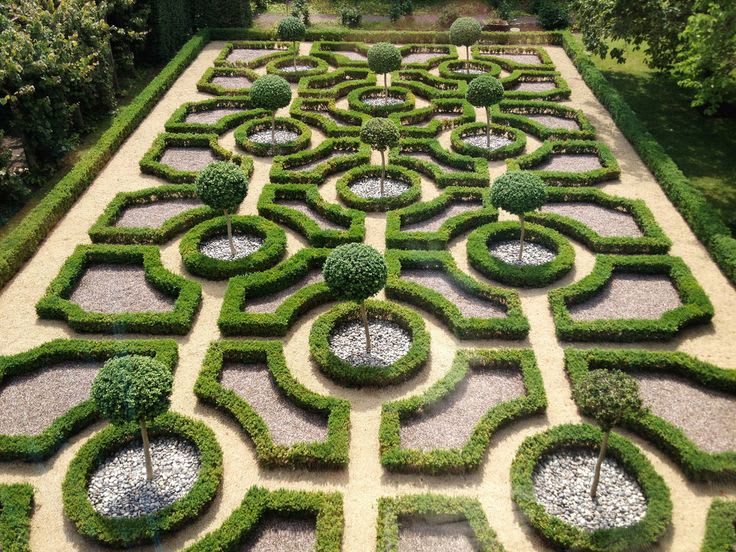
In the 17th and 18th centuries, topiary reached its zenith during the Baroque and Rococo periods. Gardens in France and England displayed intricate patterns, such as the French parterre de broderie and English knot gardens. Topiary became synonymous with opulence, sophistication, and the pursuit of artistic excellence.
Decline and 20th Century Revival
As landscape preferences shifted towards naturalistic designs in the 19th century, topiary experienced a decline. However, the 20th century witnessed a resurgence of interest. Modern designers, breaking from tradition, embraced topiary with abstract and contemporary shapes, complemented by technological advancements in clipping tools and techniques.
Contemporary Expressions
In the modern era, topiary has transcended traditional boundaries, finding a place in public spaces, botanical gardens, private estates and personal gardens. A desire for organic, free-form shapes with strong links to the natural landscape have facilitated intricate and imaginative designs. Artists and horticulturists continue to explore new topiary, creating living sculptures that harmonise tradition with contemporary creativity.
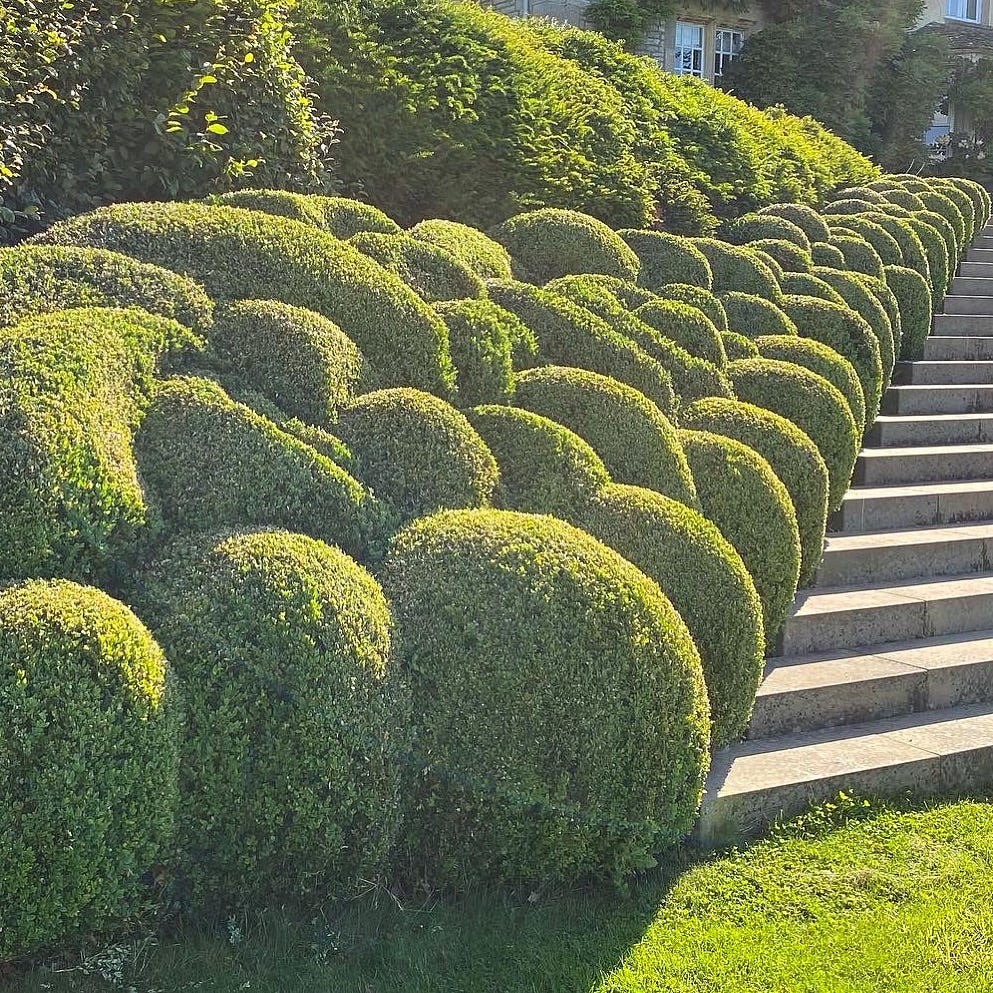
From the early pruning practices of ancient Egypt to the organic expressions of contemporary topiary, the art has undergone a remarkable evolution. This narrative of artistic and horticultural interplay reaffirms the enduring allure of topiary, where nature and art converge in a timeless dance across centuries.